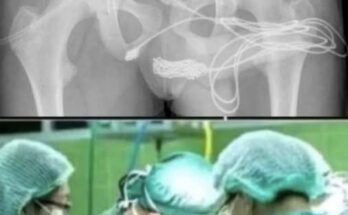
Would You Let This Medic Do This to You?
When you imagine going to see a medic or doctor, you probably picture someone calm, careful, and professional. We trust medical professionals with our health, our safety, and sometimes even our lives. But what if a medic approached you with a strange method, a risky procedure, or something that looked a little… terrifying? The big question becomes: Would you let this medic do this to you?
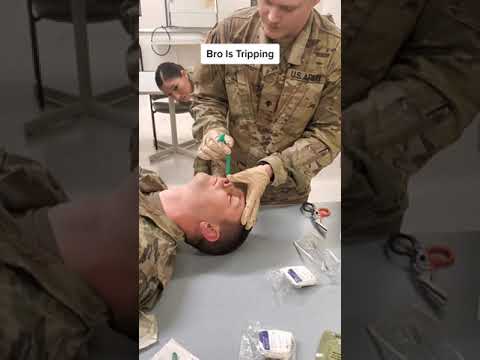
In the video, viewers are shown a medic performing a treatment that looks intense and a bit shocking at first glance. The patient seems nervous, unsure of what’s about to happen, and honestly, most of us would probably feel the same way. Medical procedures can look scary, especially if we don’t understand what the medic is doing or why it’s necessary.
However, medics are trained to handle emergencies and treat injuries quickly and effectively. Their job is often similar to a paramedic’s role—providing urgent care such as treating wounds, giving injections, or stabilizing someone in a dangerous situation. These professionals are specially trained to perform procedures that might seem unusual to people who aren’t familiar with medical practice.
Still, trust plays a huge role in these situations. Imagine lying there while a medic prepares equipment that you’ve never seen before. Your mind might start racing with questions: Is this safe? Is it going to hurt? Do they really know what they’re doing? In moments like this, patients rely heavily on the medic’s confidence, experience, and explanation.
Some people are naturally curious and adventurous—they might say, “Sure, go ahead, I trust you!” Others would hesitate and ask many questions before agreeing to anything. And honestly, that’s completely normal. Medical decisions shouldn’t be rushed, and it’s always okay to ask for information before allowing someone to perform a procedure.
The truth is, many medical treatments look far worse than they actually are. Something that appears painful or frightening might only take a few seconds and could save someone from much bigger problems later. Medics often have to act quickly, especially in emergencies where waiting too long could make things worse.
So, the real question isn’t just “Would you let this medic do this to you?”
It’s also about trust, understanding, and courage.
Would you stay calm and trust the medic’s training? Or would you step back and say, “No thanks, I’ll pass”?
Watching situations like this reminds us how important medical professionals are—and how much bravery it sometimes takes to be both the patient and the medic.