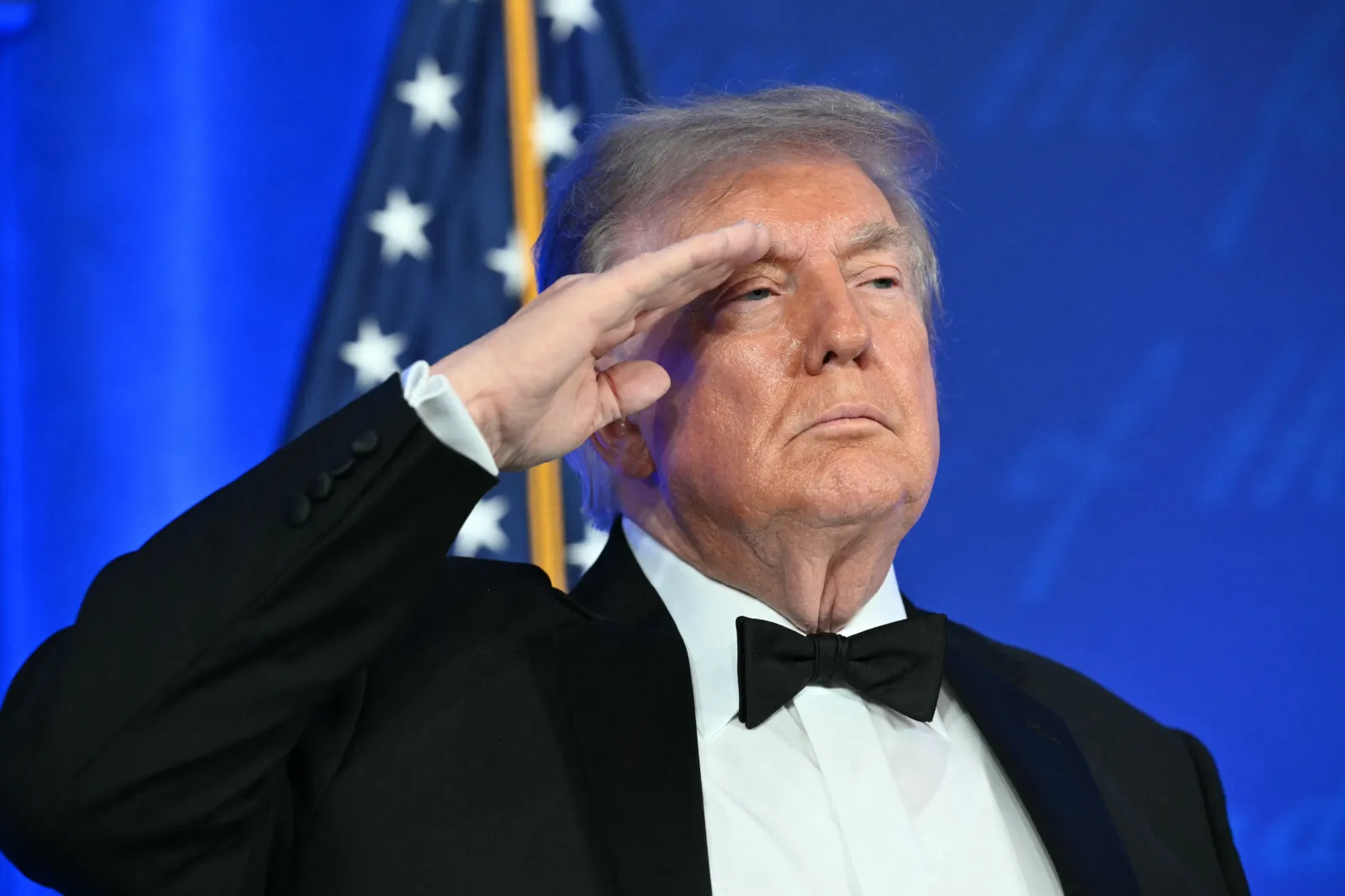
President Donald Trump used a room full of journalists to deliver his latest joke about staying in power beyond 2028, telling attendees at the White House Correspondents’ Association dinner that he intended to run for a “fourth time” as president. The remark was clearly delivered as a punchline. Trump set it up by mocking the media, saying he wanted to “save your ratings” before announcing what he described as a “scoop.” Still, it was far from the first time he has publicly raised the prospect of remaining in office after his second term ends. It revives a debate that has followed Trump’s presidency for years as he continues to flirt with the idea of serving beyond constitutionally established limits. Although the comment does not alter the legal reality that Trump cannot be elected president again under current constitutional rules, it is likely to generate renewed political and legal discussion. Newsweek contacted the White House via email for comment outside of regular working hours on Saturday morning.
Trump’s latest comments land against the backdrop of a long-running pattern in which he has alternated between joking about remaining in office and suggesting that pathways to do so may exist. While supporters often dismiss such remarks as political humor or trolling directed at critics and the media, constitutional scholars have repeatedly pointed to the 22nd Amendment, which states that “no person shall be elected to the office of the President more than twice.” The question is not new. What has changed is the number of times Trump has returned to the subject-and the varying degrees of seriousness with which he has addressed it.
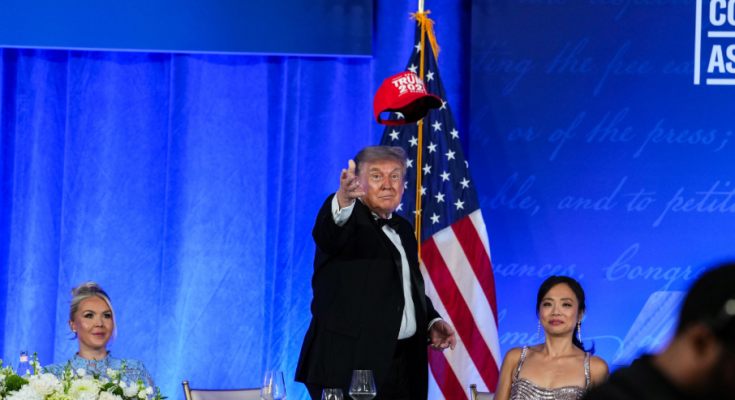
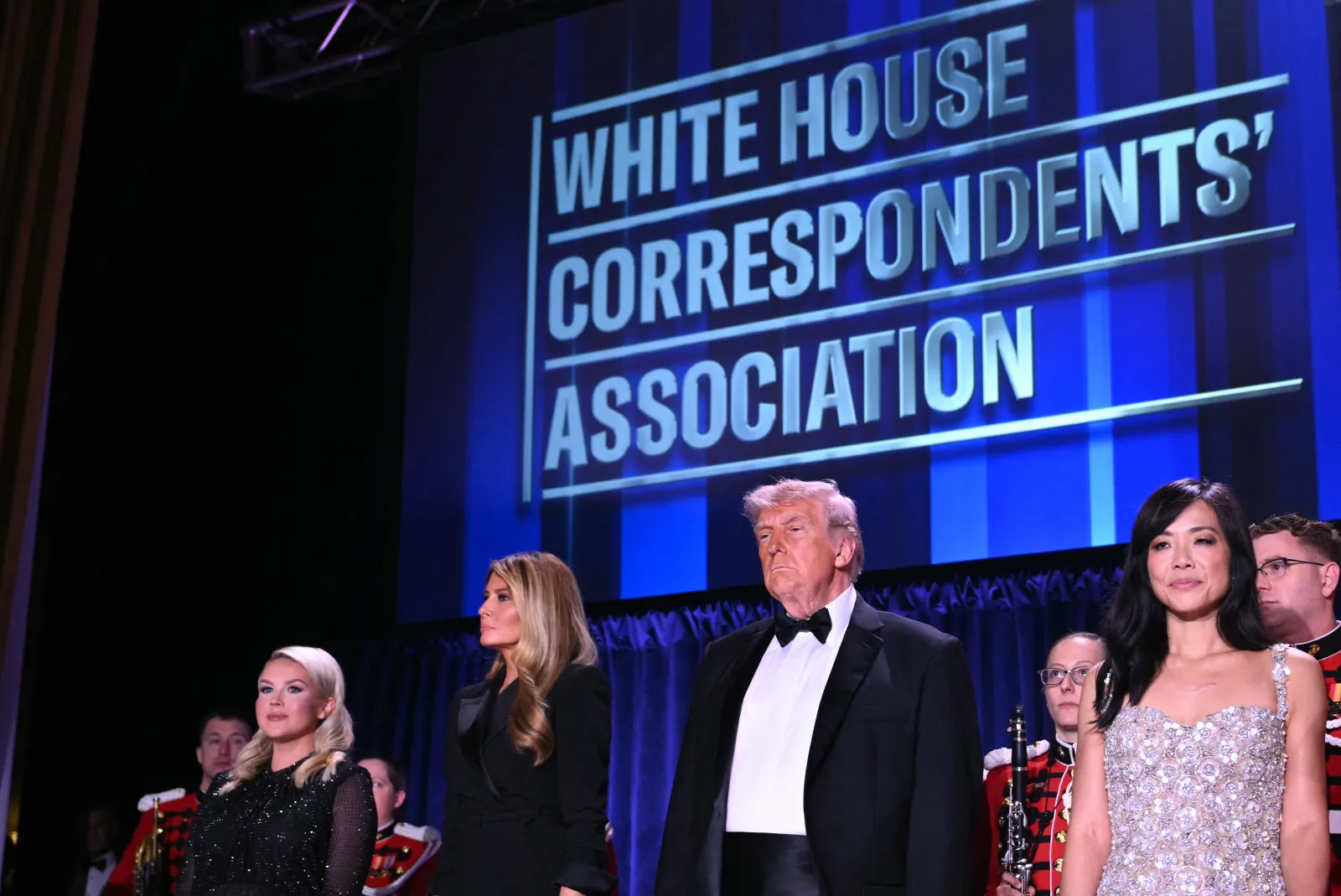
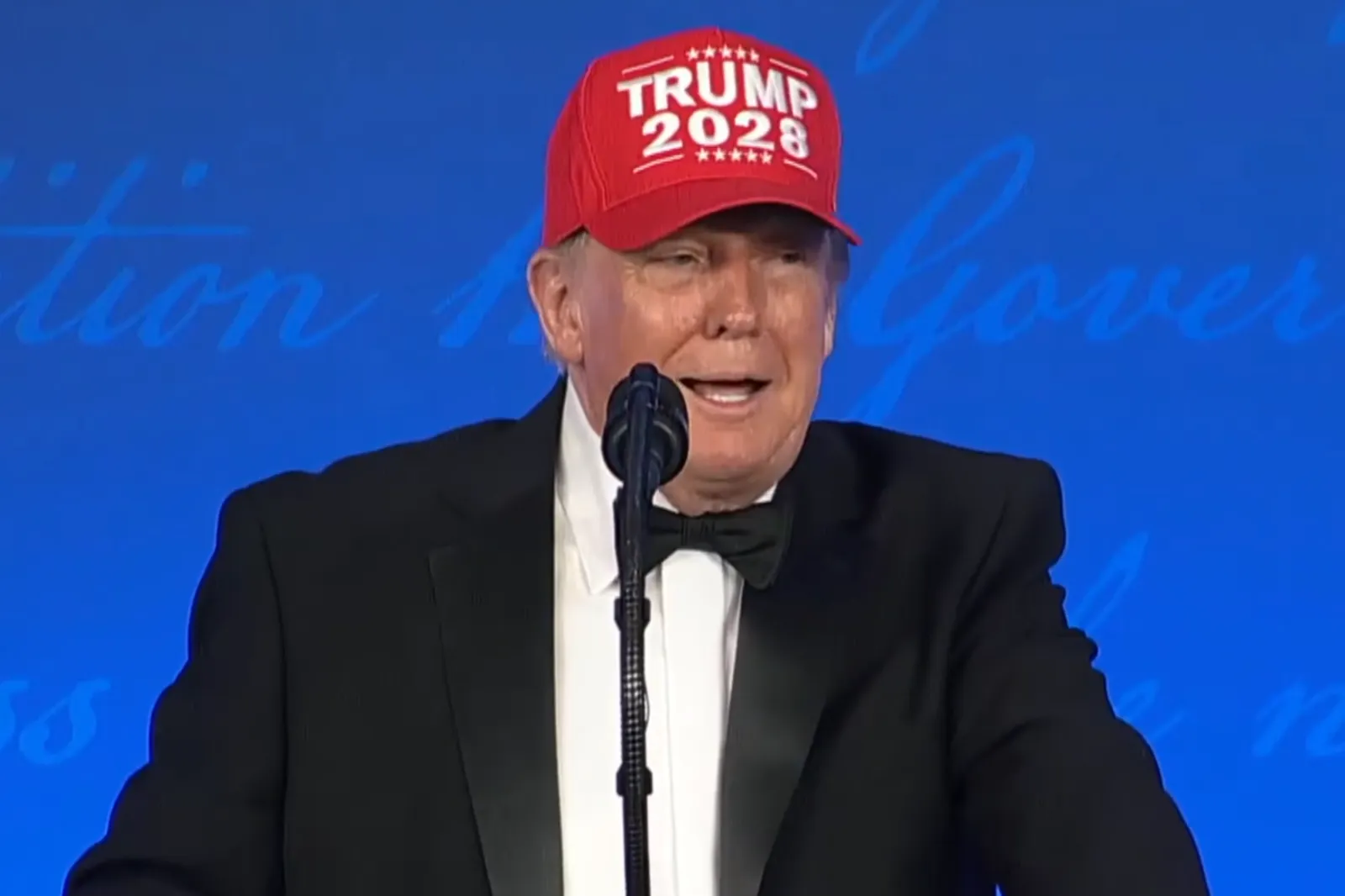
Speaking at the rescheduled White House Correspondents’ Association dinner on July 24, Trump portrayed himself as doing the media a favor. “You people have no idea how lucky you are. When I’m gone, you’re all going to be broke,” he said before delivering the punchline. “That’s why tonight, to show just how much I care about the press, and I want to save your ratings. I’m pleased to announce my intention to, and this is somewhat of a scoop, my intention to run for a fourth time as president of the United States.” He then continued: “I think I won three times. Now I’m going to do it again.” Reports from the dinner described the comments as a joke directed at journalists in attendance, with Trump framing the announcement as a media “scoop” and later wearing a “Trump 2028” hat.

Early References and Pattern of Comments
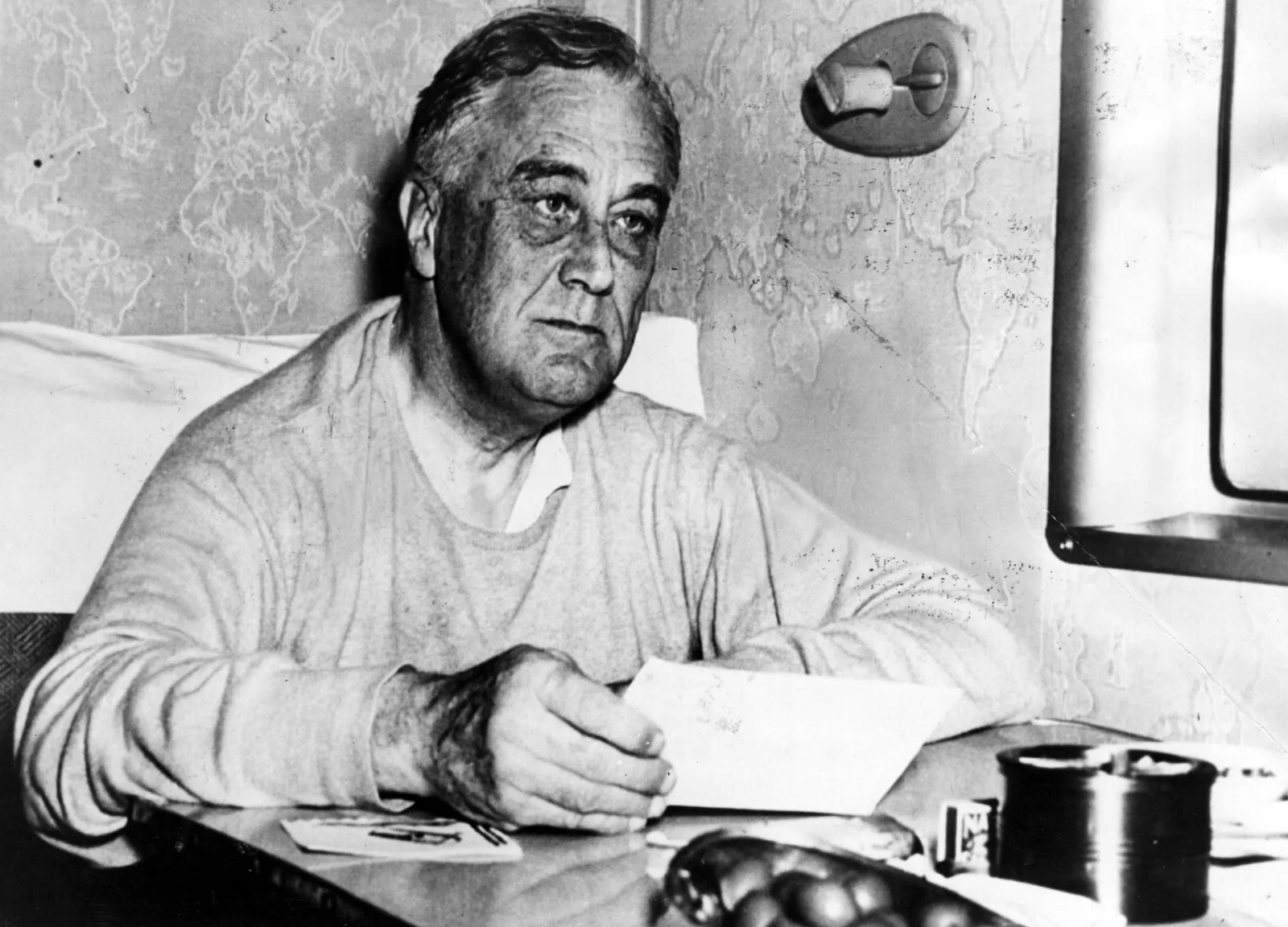
Months before returning to the White House, Trump invoked Franklin D. Roosevelt during a speech to the National Rifle Association in Dallas. “You know, FDR 16 years-almost 16 years-he was four terms. I don’t know, are we going to be considered three-term? Or two-term?” The comments were delivered in a joking tone but introduced a theme that would repeatedly re-emerge. After winning a second, non-consecutive term, Trump joked before House Republicans: “I suspect I won’t be running again unless you say he’s so good we’ve got to figure something else out.” The room reportedly laughed, but the notion of finding an alternative route around term limits had entered the conversation.
At a Las Vegas rally days after taking office, Trump said it would be “the greatest honor” to serve “not once but twice-or three times or four times.” He quickly added that two terms would be the objective. Addressing House Republicans at a GOP retreat in Miami, Trump quipped that he had raised money for “the next race.” “I think I’m not allowed to run again,” he said. At the National Prayer Breakfast, Trump again referenced another campaign beyond 2028, talking about future elections “despite the fact that they say I can’t run again.” During a Black History Month celebration at the White House, Trump asked the audience:
After attendees chanted “four more years,” Trump laughed and noted that the exchange would likely become a news story. The most significant moment came on March 30, 2025. In a telephone interview with NBC News, Trump was asked directly whether he was joking about pursuing another term. Trump then added that there were “methods” by which it could potentially happen and suggested alternative arrangements had been discussed, though he declined to provide details. That interview marked a notable departure from the wink-and-nod style of many earlier remarks.
Escalating Ambiguity and Constitutional Questions
Later the same day aboard Air Force One, Trump struck a somewhat different tone, saying he did not want to discuss a third term because there was still a long time left in his presidency. Even so, he again referenced widespread support among people urging him to remain in office. In an interview with The Atlantic, Trump again entertained the concept. “That would be a big shattering, wouldn’t it? Well, maybe I’m just trying to shatter.” The comment maintained ambiguity while keeping speculation alive.
During an Oval Office meeting with Ukrainian President Volodymyr Zelensky, Trump joked about wartime conditions delaying elections. “Three and a half years from now … if we happen to be in a war with somebody, no more elections. Oh, that’s good.” The room laughed, but the comment prompted fresh scrutiny. Asked aboard Air Force One whether he was ruling out another term, Trump answered: He then added: “You’ll have to tell me.” During another NBC interview, Trump was asked whether he could envision remaining president beyond January 2029. “I don’t know. That would be interesting,” he responded.
At a White House Small Business Summit, Trump again joked about a timeline extending beyond his current term. “When I get out of office in, let’s say, eight or nine years from now, I’ll be able to use it.” The audience laughed, but the remark implied a presidency stretching into the 2030s. At the U.S. Coast Guard Academy commencement, Trump said that icebreaker ships under construction would begin arriving in 2028. “I’m going to be here in ’28. Maybe I’ll be here in ’32 too. I don’t know.” The audience laughed, but the comment once again raised questions about whether Trump views the issue as a joke, a political provocation or something more.
Constitutional Reality and Legal Barriers
Under the current Constitution, Trump cannot be elected president for a third term. The 22nd Amendment states: “No person shall be elected to the office of the President more than twice.” The amendment was ratified in 1951 after Franklin D. Roosevelt became the only president elected to four terms. Because Trump has already been elected president twice, constitutional experts broadly agree that he is barred from winning another presidential election in 2028. That has not stopped occasional political discussion about theoretical and highly contested alternatives, including constitutional amendments or other legal scenarios. Those ideas remain speculative and would face major legal and political obstacles.
For now, Trump’s latest remarks appear firmly in the category of political comedy. Yet they also fit into a pattern stretching back more than two years, during which he has repeatedly returned to the idea of staying in office beyond the limits established by the Constitution-sometimes as a joke, sometimes with deliberate ambiguity, and on at least one occasion insisting he was “not joking” at all. Contact Newsweek editor on this story: Edward Pearcey.