Former President Donald Trump made remarks about needing to be “let in” if he ends a war, sparking interpretations about his views on legitimacy and acceptance.
Trump delivered the comments during a public appearance, framing conflict resolution as a transaction tied to personal recognition. The remarks drew mixed reactions from attendees, who responded with hesitant laughter.
What He Said
Trump described himself as being at the “bottom of the totem pole,” suggesting a position of exclusion rather than his typical narrative of dominance. He then stated that ending a war might cause unnamed actors to “let him in.”
The comment appeared to frame geopolitical conflict through a transactional lens, where diplomatic achievement serves as a means to gain approval rather than as an end in itself.
The Reaction
The audience’s response reflected uncertainty, with laughter that seemed designed to smooth over discomfort rather than express genuine amusement. Observers noted the response differed from typical reactions to Trump’s public remarks.
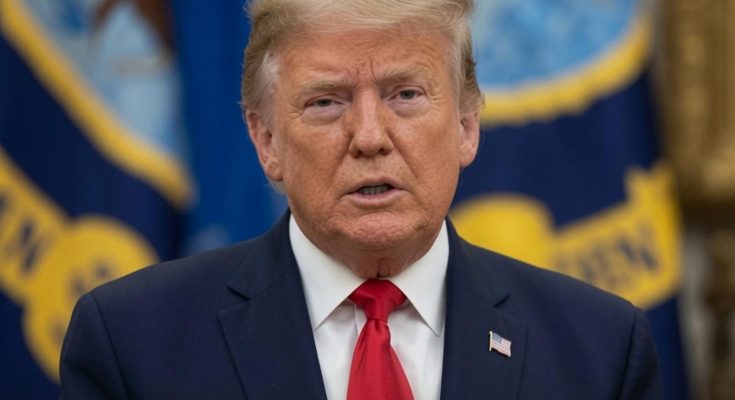
The hesitation suggested attendees sensed a shift from Trump’s established pattern of projecting absolute control and authority. His usual rhetorical framework emphasizes strength and inevitability rather than exclusion.
What It Reveals
The remark exposed a contradiction in Trump’s public identity: positioning himself as an outsider while simultaneously seeking validation from established institutions. His language suggested awareness of external judgment and hierarchical ranking.
Trump typically maintains consistent messaging about his authority and success, measuring himself against rankings and awards. The comment about needing approval to be “let in” departed from that pattern, however briefly.
The moment illustrated how humor functions in political discourse-simultaneously masking and revealing underlying anxieties about status and legitimacy.
This story has been updated. CNN’s digital staff contributed to this report.