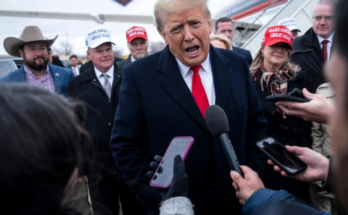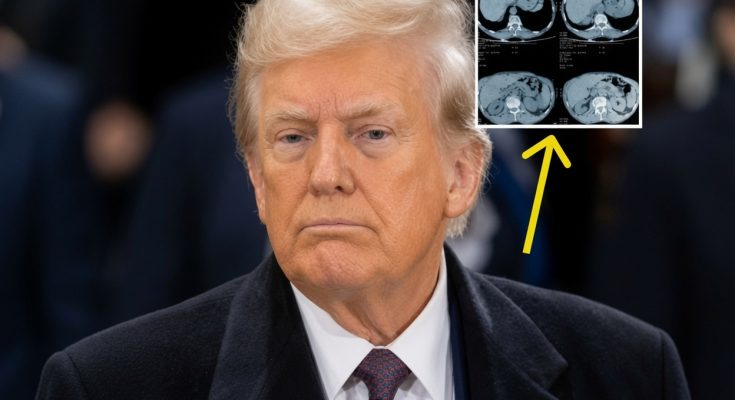
On Air Force One, the exchange felt almost surreal. Asked why he needed an MRI if it was “just” a routine physical, He called the results “outstanding,” “excellent,” and “the strongest they’ve ever had,” but couldn’t say whether doctors examined his brain, his heart, or anything else. The vagueness only sharpened the focus on what he wouldn’t reveal. The White House insists nothing is wrong, framing the visit as an “expanded wellness evaluation” ahead of heavy travel.
Medical Transparency Questions Arise
Questions Surround President’s Medical Evaluation as White House Offers Limited Details
Questions about presidential health and transparency returned to the spotlight after President Donald Trump discussed a recent medical evaluation aboard Air Force One, offering broad praise for the results while providing few specifics about the testing that was performed. During an exchange with reporters, Trump described the outcome of the examination in glowing terms, calling the results “outstanding,” “excellent,” and among the strongest he has ever received. However, when asked about the nature of the evaluation, including whether doctors examined his brain, heart, or other organs through imaging, the president did not provide detailed answers.
The White House has characterized the visit as an expanded wellness evaluation conducted before an intensive schedule of domestic and international travel. Officials have maintained that there is no underlying health concern and have emphasized that the examination was precautionary rather than prompted by a medical emergency. Even so, the limited information released following the visit has fueled renewed public discussion about the level of medical transparency expected from the nation’s highest elected official.
Health disclosures have increasingly become a major issue in modern presidential politics, particularly as candidates and officeholders face heightened scrutiny over age, stamina, and their ability to carry out the demanding responsibilities of the presidency. In recent election cycles, voters have closely examined the health records of both Republican and Democratic leaders, with each party arguing that the public deserves confidence in a president’s physical and mental fitness.
Some political commentators and critics have questioned why additional imaging was performed if the examination was described as routine, arguing that a more comprehensive medical summary could help answer lingering questions. Others counter that presidents, like all Americans, retain privacy rights regarding their personal medical information and are not legally required to disclose every detail of their healthcare.
The administration has not released a detailed imaging report or a physician’s comprehensive summary explaining the full scope of the examination. As a result, discussion has continued across television networks, social media platforms, and political circles, where supporters argue that Trump’s own description of the results should reassure the public, while critics continue to call for greater transparency.
For now, the White House maintains that the president remains in excellent health and fully capable of carrying out the duties of office. Whether additional medical records or physician reports will be released remains uncertain, but the issue is likely to remain part of the broader national conversation as questions about age, health, and presidential fitness continue to play a significant role in the political landscape.